Recent disruptions in the global supply chain have sparked significant shifts in daily prices for consumers worldwide. These shipping shocks, driven by pandemic aftereffects, labor shortages, and geopolitical tensions, are reshaping how goods move from production to purchase.
Causes Behind Modern Supply Chain Disruptions
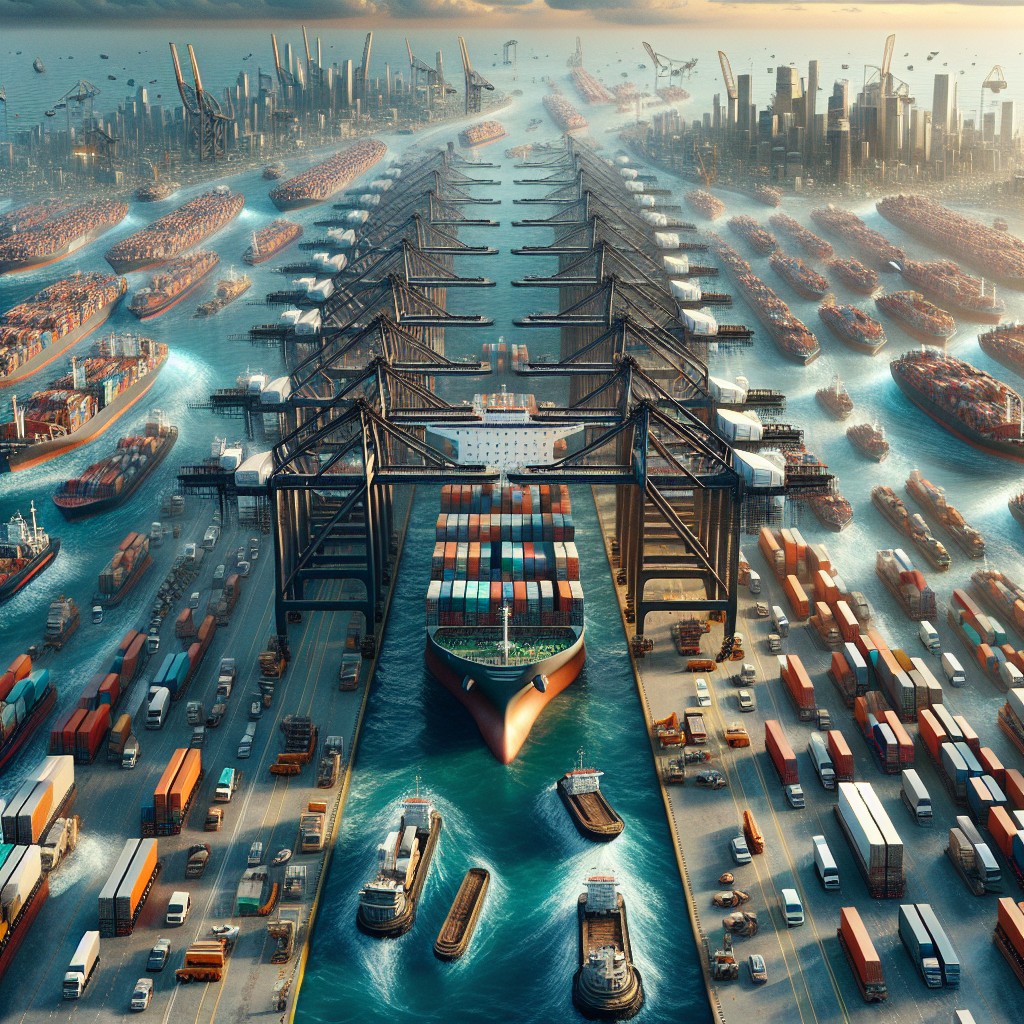
The supply chain disruptions stem from several converging issues. COVID-19 induced lockdowns initially slowed industrial activity and port operations. While demand rebounded rapidly, capacity constraints in shipping and logistics failed to keep pace. Additionally, labor disputes, container shortages, and port congestion have compounded delays. The ongoing conflict in Eastern Europe and strained trade relationships have further stressed transport routes and commodity availability.
Impact of Shipping Delays on Consumer Prices
Shipping delays translate directly into higher costs for retailers and manufacturers. When shipments arrive late, businesses face inventory shortages and production halts. To compensate, suppliers often charge premiums, and retailers pass these costs on to customers. As a result, prices for everyday items like electronics, clothing, and groceries have increased. Inflation trends indicate that supply chain interruptions contribute substantially to the rising cost of living in numerous countries.
Effects on Specific Sectors
Certain industries feel the effects of supply chain disturbances more acutely. The automotive sector, dependent on just-in-time parts delivery, has experienced production delays due to semiconductor shortages aggravated by shipping disruptions. Grocery retailers have encountered delays in fresh produce and packaged goods, impacting availability and pricing. The technology sector faces extended lead times and increased freight costs, influencing the pricing of consumer devices globally.
Efforts to Mitigate Supply Chain Challenges
Governments and private companies are pursuing multiple strategies to alleviate supply chain bottlenecks. Investments in port infrastructure, automation, and digital tracking aim to enhance cargo handling efficiency. Diversifying sourcing channels and increasing domestic manufacturing capacities have also gained focus to reduce reliance on vulnerable international routes. Additionally, improved communication between manufacturers, shippers, and retailers is helping to better anticipate delays and adjust supply plans accordingly.
Long-Term Outlook for Global Supply Chains
While immediate disruptions have caused volatility in daily prices, experts suggest that supply chains will gradually stabilize as capacity expands and logistics become more resilient. However, ongoing geopolitical risks and shifts toward sustainable practices may introduce new challenges and adjustments. Businesses adapting to these dynamics will likely emphasize flexibility and technology integration to maintain supply continuity and manage costs effectively.
Frequently Asked Questions about supply chain
What is the main cause of recent supply chain disruptions?
Recent supply chain disruptions primarily result from a combination of pandemic-related effects, labor shortages, and increased demand that have strained shipping and logistics systems globally.
How do supply chain issues influence everyday consumer prices?
Disruptions in the supply chain lead to delays and increased shipping costs, which manufacturers and retailers often pass on to consumers, resulting in higher prices for daily goods.
Which industries are most affected by supply chain disturbances?
Industries like automotive, technology, and grocery retail are notably affected due to their dependence on timely delivery of components and products within the supply chain.
What measures are being taken to improve supply chain resilience?
Efforts include investing in port infrastructure, automating logistics processes, diversifying supplier bases, and enhancing communication across the supply chain to better manage delays and costs.
Will supply chain disruptions continue to affect prices long term?
While supply chains are expected to stabilize over time, ongoing geopolitical tensions and evolving trade practices mean that some level of disruption and price impact may persist in the foreseeable future.